Why Hair Toppers Shift by Midday and How to Stop It

A hair topper can feel perfectly secure in the morning, then start shifting, lifting, or rotating by midday. That does not always mean you chose the wrong piece. In many cases, movement points to a fit, attachment, scalp, or styling concern that can be corrected with the right support.
A secure topper should rest comfortably against your scalp, blend with the direction of your natural hair, and stay stable through normal daily movement. You should not feel painful pulling or spend the day checking its position. For clients considering hair toppers for thinning hair in Kitchener, choosing a colour and style is only part of the process. We also look at how the base, clips, scalp, and surrounding hair work together.
Keep Your Hair Topper Secure All Day
When a topper is properly fitted, it should feel secure without feeling tight. The base should sit level, the part should look natural, and your surrounding hair should not be under strain. Some movement can happen during an active day, but frequent lifting or rocking is a sign that something needs attention.
We often recommend paying attention to how the topper feels at different points in the day. Notice whether it moves after wearing a hat, brushing your hair, sitting against a headrest, or being outdoors in humid weather. Those small details can help us find the reason behind the shift.
A comfortable fit usually means:
The topper lies flat against the scalp
Clips hold without pinching or pulling
The base follows your natural head shape
Your part and surrounding hair move in the same direction
Constant checking is not something you should have to accept. A few adjustments can make a noticeable difference in how confident and comfortable you feel.
Pinpoint What Makes Your Topper Move
Incorrect fit is one of the most common reasons a topper moves by midday. A base that is too large may slide across the scalp, especially if there is not enough supportive hair beneath the clips. A base that is too small can pull against the surrounding hair and slowly lift at the edges.
Clip placement matters just as much. Fine, fragile, oily, or sparse hair may not provide enough grip for a standard clip arrangement. Clips placed too close to the hairline can create rocking at the front, while clips positioned away from stronger hair can allow the topper to rotate.
Daily habits can also play a part. We encourage you to notice if shifting starts after:
Frequently touching or adjusting your hair
Putting on or removing a hat
Wind, humidity, or physical activity
Leaning back against a high-backed chair or car seat
Using heavy products near the attachment areas
By tracking when the movement begins, we can better assess whether the issue comes from the fit, the clip placement, your scalp condition, or your routine.
Choose a Base That Supports Your Hair Loss Pattern
Topper stability depends on matching the base size, material, and attachment method to your specific thinning pattern. A base that does not properly cover the affected area may lack the support needed to stay level throughout the day.
The location of your existing hair matters, too. Thinning at the crown may call for a different base and clip layout than a widening part, diffuse thinning, or thinning near the front hairline. Our goal is to create a secure hold without placing unnecessary tension on delicate strands.
With hair toppers for thinning hair in Kitchener, an in-person assessment can make the selection process much clearer. We can look at scalp visibility, hair density, hair strength, and your daily lifestyle before recommending a base design or attachment approach. In some cases, a different clip configuration may help. In others, a different non-invasive option may be more comfortable for your current level of hair loss.
Your topper should work with the hair you have, not fight against it.
Prepare Your Attachment Routine for Early Fall
A clean, dry scalp gives clips a better chance of holding securely. Oils, heavy conditioners, dry shampoo buildup, scalp products, and styling products can make attachment areas slippery. Even a well-fitted topper can shift sooner if the clips are gripping product-coated or oily hair.
Early fall can still bring warm days and lingering humidity, which may affect both your scalp and your hairstyle. Allow your hair to dry completely after washing, and keep products lightweight near clip areas. A small comb or topper brush can also help with discreet touch-ups if needed during the day.
Placement should be calm and consistent rather than rushed. We recommend this order:
Position the front edge first
Check that the part lines up naturally
Secure clips from front to back
Avoid pulling the base too tightly
Gently move your head before leaving home
Natural light can help you spot a tilted part or lifted edge before you head out. If the topper feels uncomfortable right away, it is better to have the placement assessed than to keep tightening the clips.
Protect Your Scalp and Existing Hair From Tension
Tightening clips again and again may seem like the quickest way to stop shifting, but pain is not a sign of security. If your topper stays in place only when the clips feel sore, the real concern may be the fit, placement, base design, or condition of the scalp and surrounding hair.
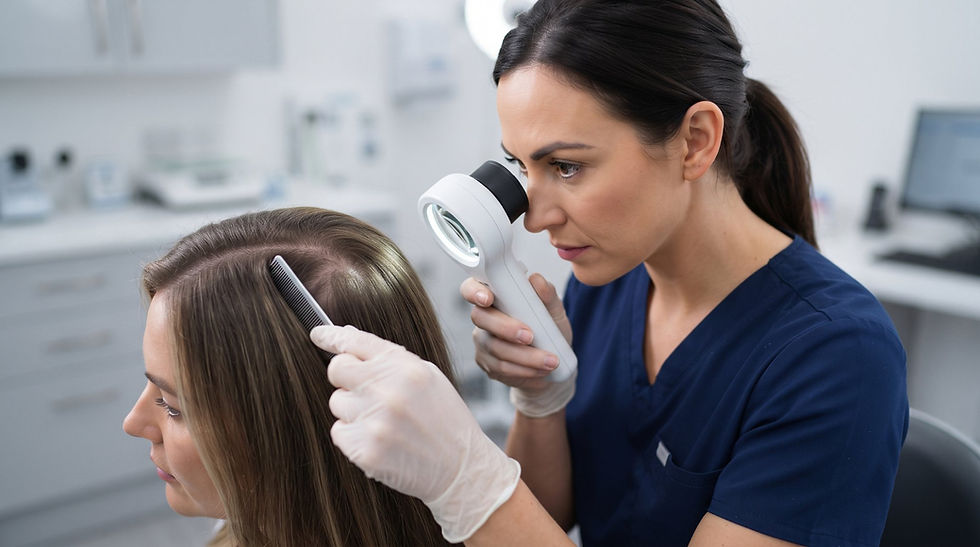
Scalp sensitivity, excess oil, dryness, irritation, and hair breakage can all affect how well a topper attaches. That is why we include scalp analysis and scalp care as part of a broader support plan when needed. A closer look can help us understand why standard attachment methods are not feeling stable or comfortable.
For some clients using hair toppers for thinning hair in Kitchener, a personalized recommendation may involve adjusting clip locations, choosing a different base, or addressing scalp concerns first. The best solution is one that supports your appearance while respecting the health and comfort of your existing hair.
Book a Fit Check for Lasting Confidence
A topper may need adjustment as your natural density, scalp condition, and styling routine change. Daily shifting, front lifting, soreness, uneven placement, or a new feeling of looseness are all worthwhile reasons for a professional fit check.
The practical routine is simple: confirm the base size, attach clips to supportive hair, begin with a clean and dry scalp, use lightweight products, and never rely on painful tension for hold. When the topper fits your current needs, it can feel like part of your everyday routine rather than something you need to worry about.
Feel More Secure in Your Hair
At GT Hair Boutique, we can help you find hair toppers for thinning hair in Kitchener that suit your coverage needs, lifestyle, and comfort. Our team will guide you through options that provide a natural-looking fit without unnecessary strain. Take the next step towards a topper that feels secure and easy to wear each day.


Comments